
Guide To Virtual Chess Coaches: Enhance Your Strategy For Adults
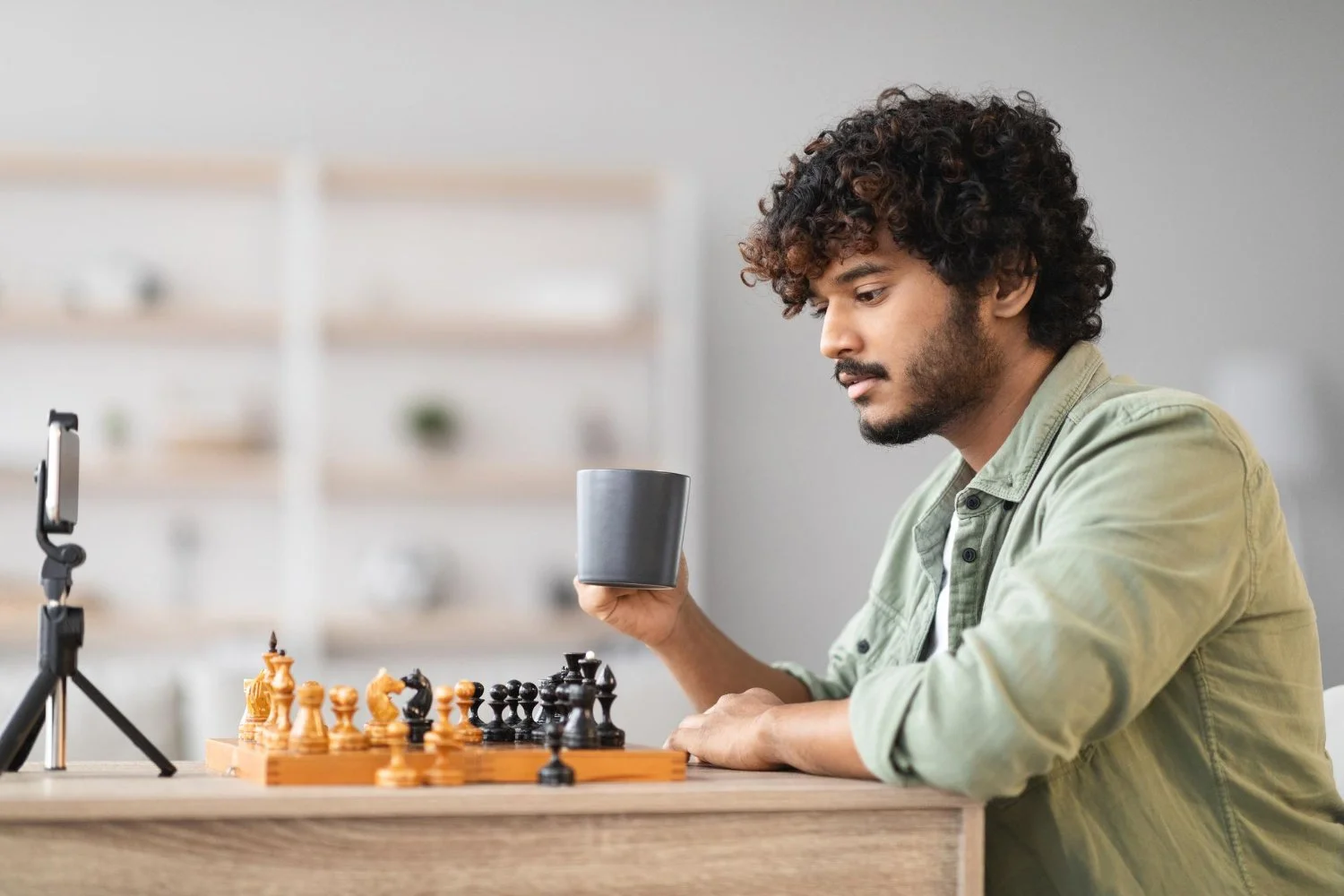
A virtual chess coach isn’t just someone who explains how each piece moves. It’s someone who meets you where you are and helps you think smarter on the board. For adults learning or returning to chess, working with a coach from home can be a comfortable way to build skills. And when the days get colder in Manhattan, staying indoors with a meaningful activity like this can feel like a win on its own.
Instead of going out into the cold for in-person lessons, you simply log in, sit down, and focus. That alone can make it easier to stay committed. Some players come to the board with past experience, others are starting fresh. Either way, the right virtual chess coach creates structure, keeps things moving, and shows you how small changes can make a big difference in your game.
Finding the Right Coaching Style
No two adults think or learn exactly the same way. Some like to take their time, thinking through several move options before committing. Others enjoy fast-paced matches that feel like puzzles under pressure. A strong coach pays attention to how you process things and shapes the lessons around that.
• If you learn better by watching, the coach might play games slowly while you observe how moves unfold.
• If you prefer to talk through choices, they can pause and ask, “Why this move instead of that one?”
• Some coaches focus on patterns you can recognize quickly, while others teach step-by-step thinking for tricky positions.
A good virtual coach won’t ask you to fit into a set mold. They’ll adjust their approach to match how your brain works best. That makes it easier to learn, remember, and enjoy the game, especially when learning after a full day of work or other responsibilities.
Making Time for Practice That Fits Your Life
For many adults, time is stretched. Between work, errands, and family, it’s not always easy to show up at the same place at the same time every week. That’s where online lessons shine. You don’t have to work around travel or weather. You just need a quiet space and a device.
• Lunch breaks, early mornings, or later evenings can all work well for focused online practice.
• Weekend mornings, before the day fills up, are another great option.
• Cold-weather months in Manhattan mean less time outside. That makes now a good time to build habits that keep your mind active indoors.
We’ve found that chess fits better in everyone's schedule when it doesn't feel like another appointment to rush to. Instead, it becomes a pause in the week to think calmly, solve problems, and keep your brain sharp. Creating a consistent practice routine is valuable for adults with a lot on their plate. Even short, focused sessions can lead to progress over time, promoting a sense of accomplishment.
Learning Strategy Through Real Play
You can read books about chess theory or watch videos of famous games. But there’s something different about learning while you play, move by move, with someone helping you spot what works and what doesn’t. A coach doesn’t just show you the right answers. They help you understand why a good move works and what made the last one a little off.
• Real games give insight into your habits, what patterns you fall back on, which types of positions frustrate you.
• With feedback during or just after a game, the learning feels quick and specific.
• Watching your own playing style evolve over time can boost confidence and help you grow beyond old habits.
Sometimes the simplest method is to just play, then pause and talk. Those short, clear reviews often click better than abstract lessons. And since the feedback is personal, it tends to stick. The interactive nature of real games with a coach helps bridge the gap between theory and practical application, making each session directly tied to your daily improvement in chess.
Staying Motivated on Cold Days
Late fall into winter can make everything feel a bit slower. It gets dark earlier. Outdoor time drops. Motivation fades when it’s cold out and the couch feels more inviting than a chessboard. A virtual chess coach helps carry you through seasons like this with steady check-ins.
• Regular sessions add rhythm to your week, even if the rest of life feels scattered.
• Inside a comfy space, it’s easier to focus without needing to leave home.
• Knowing someone is there to meet you makes it harder to quit, even when energy dips.
Sometimes staying on track means creating fewer hurdles. Opening a laptop and logging into a session feels easier than bundling up to go across town. That convenience matters more when the weather gives you reasons not to try. The reassurance that a dedicated coach session awaits can be essential for maintaining practice and growth, especially during months when energy is low and motivation is harder to find.
A Coaching Choice That Grows With You
Many adults think they need to reach a certain level before lessons make sense. But you don’t have to have everything figured out to begin. The right coach starts where you are, then walks with you step by step.
• Small steps, like spotting one extra threat per game, add up faster than most people expect.
• Seeing progress makes you want to keep showing up, even after a busy or frustrating week.
• You can stay with the same coach for months or years, adjusting lesson focus as you grow.
It’s better to start with support than to wait for a “perfect” time. Growth doesn’t have to be fast to feel satisfying. In fact, most lasting progress comes from quiet, consistent effort with someone in your corner. Over time, you might discover new strengths and interests within chess that you hadn’t noticed before, and your coach can help you build on them as they appear.
Chess Growth That Fits Your Life
Getting better at chess doesn’t require huge changes to your routine. With the right guidance, it’s something that can happen in the background while the rest of your life keeps moving. You don’t have to give up weekends or read thick strategy books to make your next moves stronger.
Working with someone who understands how adults learn makes the process more thoughtful and more forgiving. Every player brings their own way of thinking to the board. With regular play, feedback, and patience, that thinking becomes sharper. No matter where you start, it’s the steady habit of showing up that leads to real improvement. Building a supportive habit like this can be both rewarding and reassuring, offering an anchor point as you manage everything else in your life.
Training from home this winter is both convenient and effective when you have a coach who understands your approach to the game. Whether you're based in Manhattan, New York, NY, or anywhere else, our virtual chess coach sessions create a supportive environment where you can progress at your own pace. We keep your schedule flexible so you can learn when it works best for you. At United States Chess Academy, we’re focused on helping you sharpen your strategy and stay engaged throughout your chess journey. Reach out to get started.